Barney McBride
Killers of the Flower MoonBarney McBride was a wealthy oilman whom the Osage trusted to carry their plea for a federal investigation of the suspicious deaths mounting in Oklahoma. In August 1922, he went to Washington, D.C., as their messenger; before he could make that appeal, he was abducted and murdered. His killing transformed a journey intended to bring the deaths to official attention into a further sign of the danger surrounding those who sought to expose them.
Identity and standing
McBride was fifty-five, a white oilman, and a familiar figure in Oklahoma Indian affairs. His wife, a Creek woman, had died, and he was raising his stepdaughter. His wealth and connections gave him access to officials in Washington, but his value to the Osage rested equally on their trust: a reporter portrayed him as a kind-hearted, white-haired man, and the community regarded him as an apt person to speak on its behalf.
That trust mattered in a county where oil wealth and the rights attached to it had created powerful interests. Osage lease auctions drew oil barons and local businessmen, while the system of guardianship that ostensibly protected Osage estates also enabled widespread theft and exploitation. Against this background of wealth, restricted access to funds, and suspicious deaths, McBride’s trip was not simply a private errand by an oilman. He was carrying a request that federal authorities investigate what the Osage feared was happening to their people.
The mission to Washington
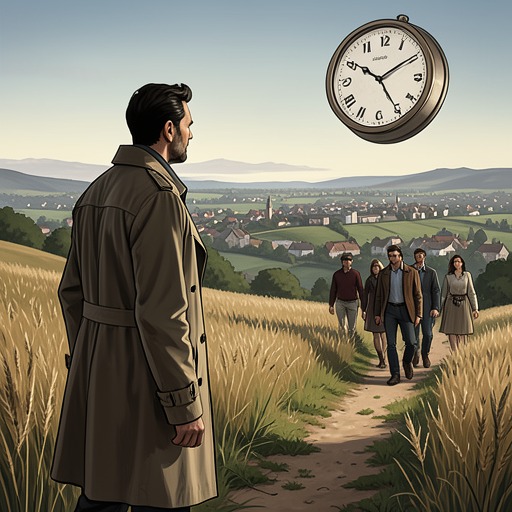
As suspicious deaths continued to accumulate, many Osage urged McBride to go to the capital and press federal authorities to investigate. His interest in Indian affairs and his acquaintance with officials made him a credible intermediary between the community and the government. The request placed him in a perilous position: he was not merely reporting on a distant problem but carrying the community’s demand for intervention to the authorities who might act on it.
When McBride checked into a Washington rooming house, a telegram from an associate was waiting for him, warning him to be careful. He carried a Bible and a .45-caliber revolver. That evening he went to the Elks Club to play billiards. As he came outside, someone seized him and pulled a burlap sack tightly over his head. The warning, the weapons, and the ordinary stop at the club all belong to the same stark sequence: McBride had reached the capital, but the danger had reached him there too.
Abduction and murder
The next morning, McBride’s body was found in a culvert in Maryland. He had been stabbed more than twenty times, his skull had been beaten, and he had been stripped naked except for his socks and shoes. A card bearing his name had been left inside one of his shoes. The forensic evidence suggested more than one assailant, and authorities suspected that his killers had followed him from Oklahoma.
The violence was both personal in its brutality and public in its implications. McBride had gone to ask for an investigation into suspicious deaths; his own killing became another death demanding explanation. The report that he had been tracked from Oklahoma suggested that distance from the oil fields offered no protection to someone carrying the Osage appeal.
Meaning and aftermath
News of the murder quickly reached Mollie Burkhart and her family. The Washington Post called it the most brutal crime in the District’s annals, while its coverage raised the possibility that the killing was not simply an isolated murder but a warning. Its headline identified the fear taking shape: that a conspiracy was killing wealthy Indians. McBride’s death thus altered the meaning of his mission. The messenger had been silenced, but the circumstances of his murder made the danger he had gone to report harder to dismiss.
The killing also stands within the wider pattern of violence against the Osage described in the book. Investigators faced cases involving shootings and the bombing of the Smiths’ house, while the financial system around Osage estates was being exploited by guardians, businessmen, lawyers, and others positioned to profit from restricted wealth. The evidence does not establish who killed McBride or prove that his murder was ordered to stop his appeal. It does establish why his death carried the force of a warning: a trusted advocate had traveled to the nation’s capital to seek help, and was found dead before that request could be answered.